Agappe
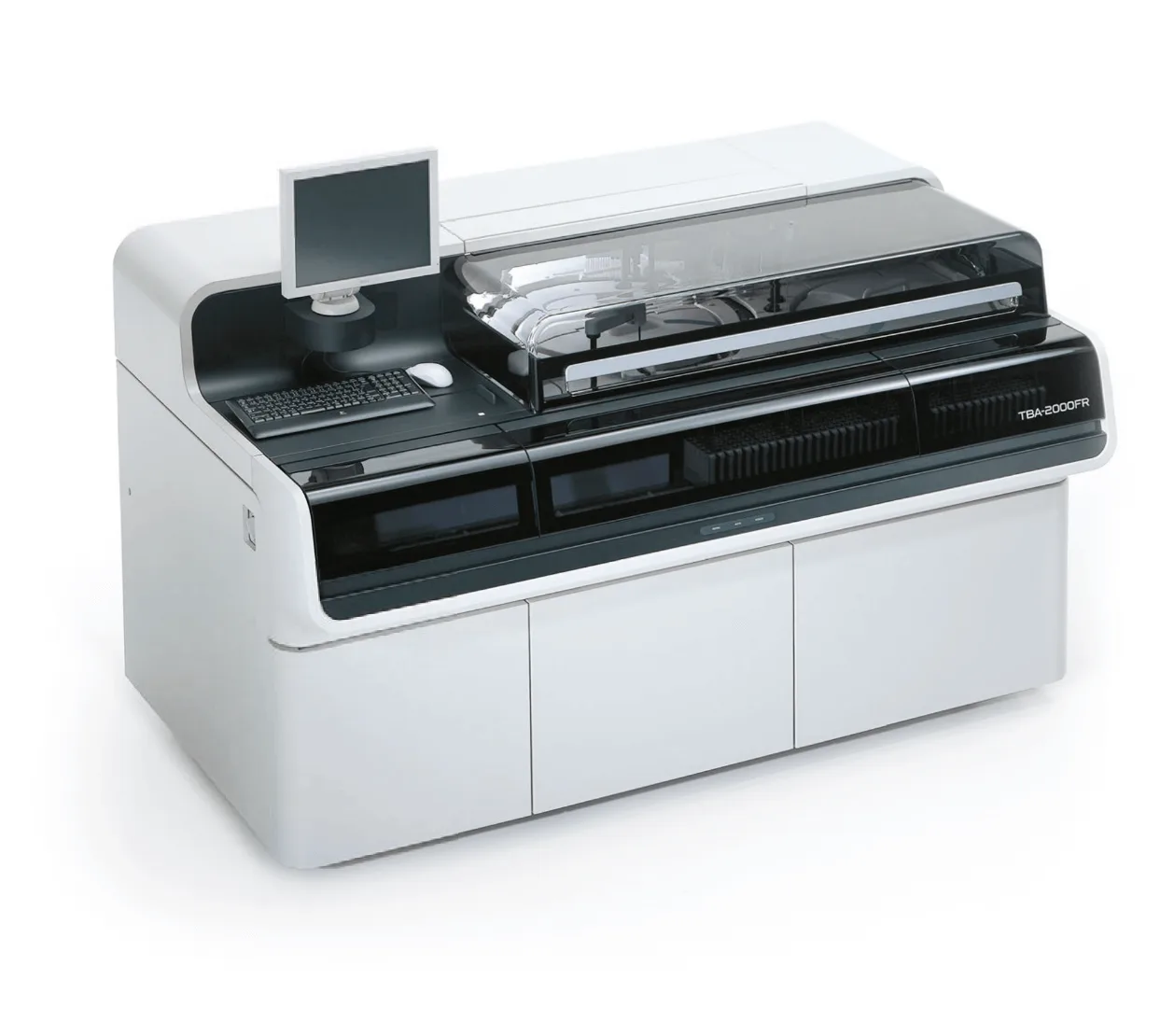
Agappe TBA-2000FR Clinical Chemistry Analyzer
Fully automated clinical chemistry analyzer with high throughput for hospital labs.
Clinical chemistry analyzers & controls
Fully automated clinical chemistry analyzer with high throughput for hospital labs.
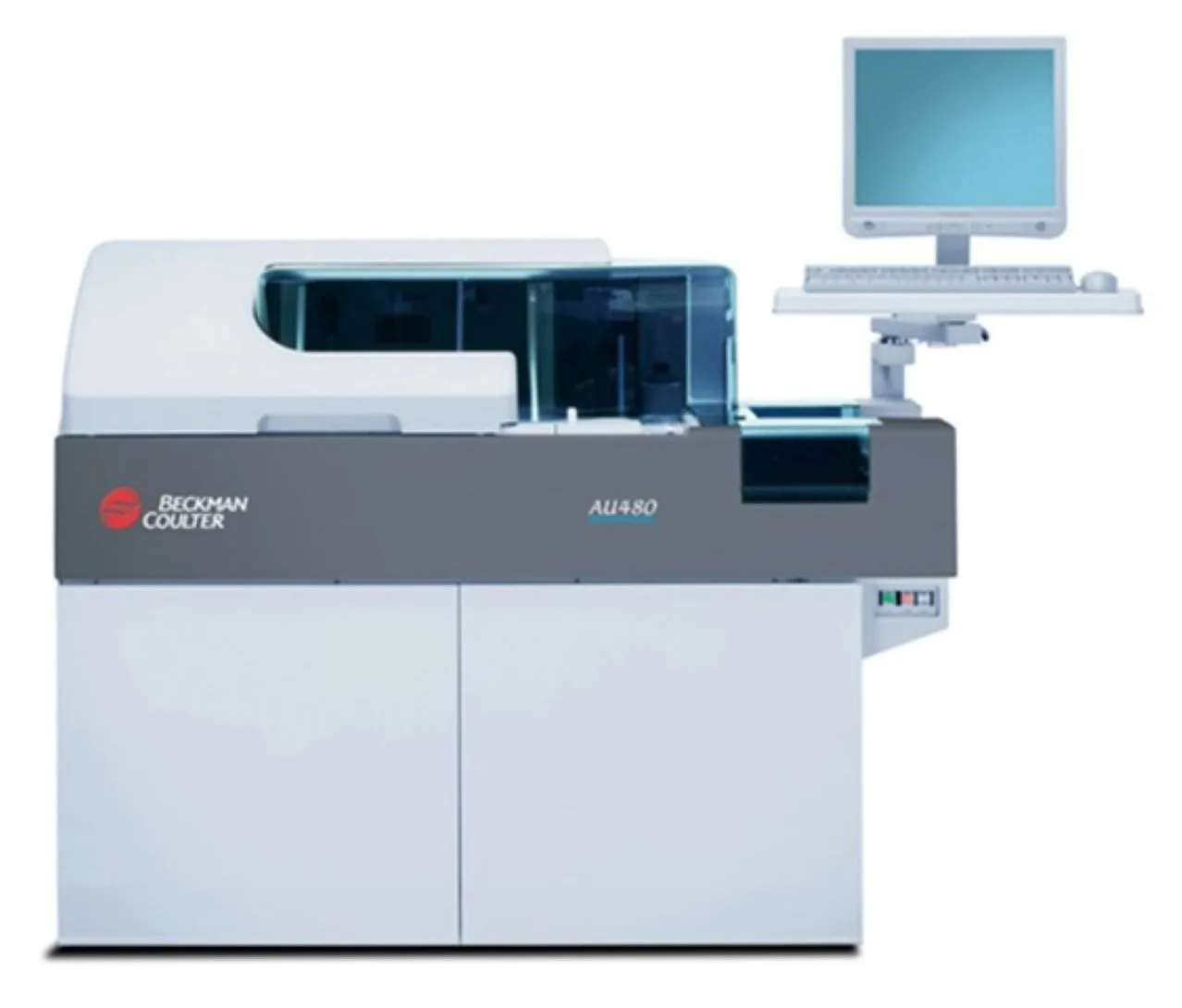
Precision biochemistry platform trusted across corporate hospital labs.
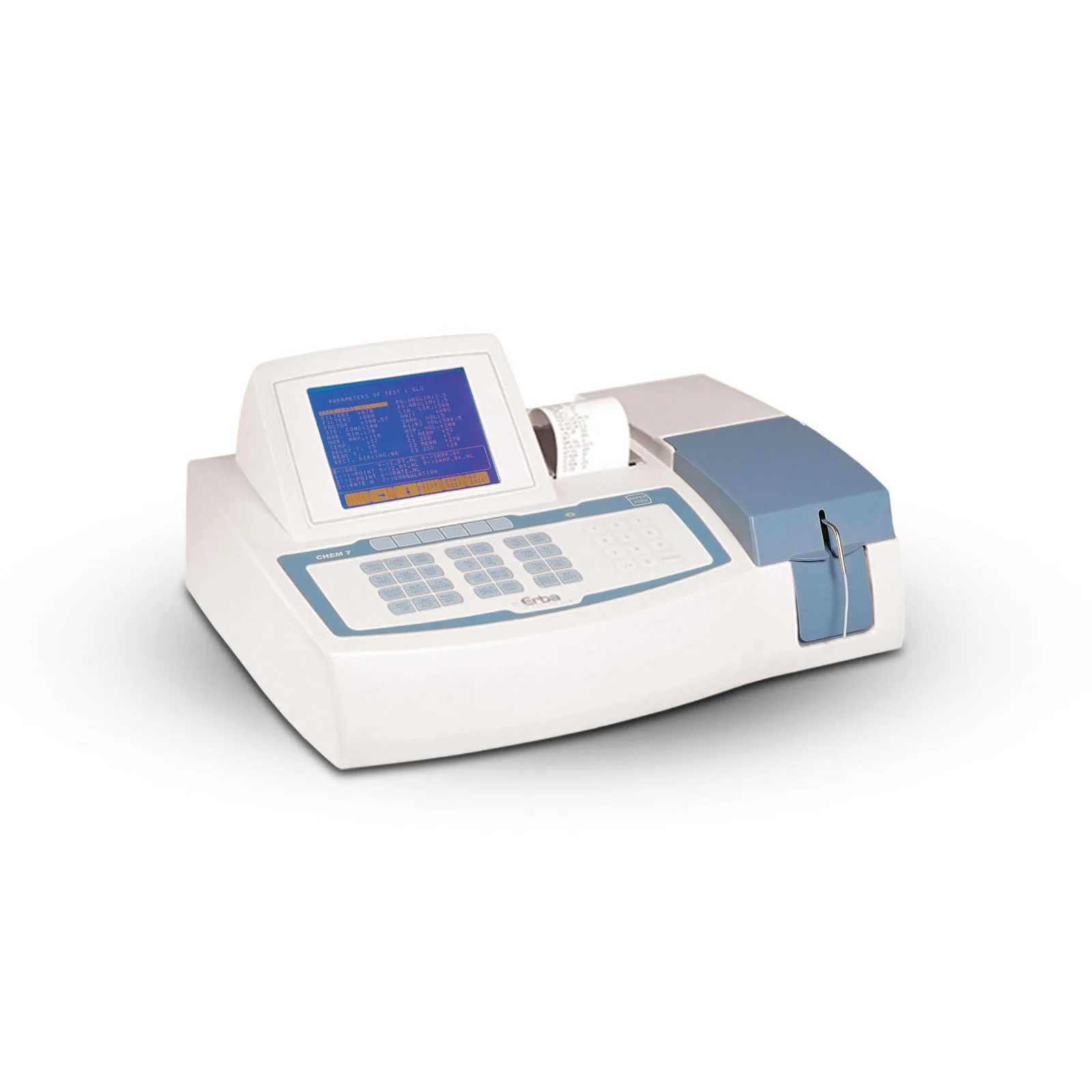
Compact semi-automated chemistry analyzer suited to growing diagnostic centres.
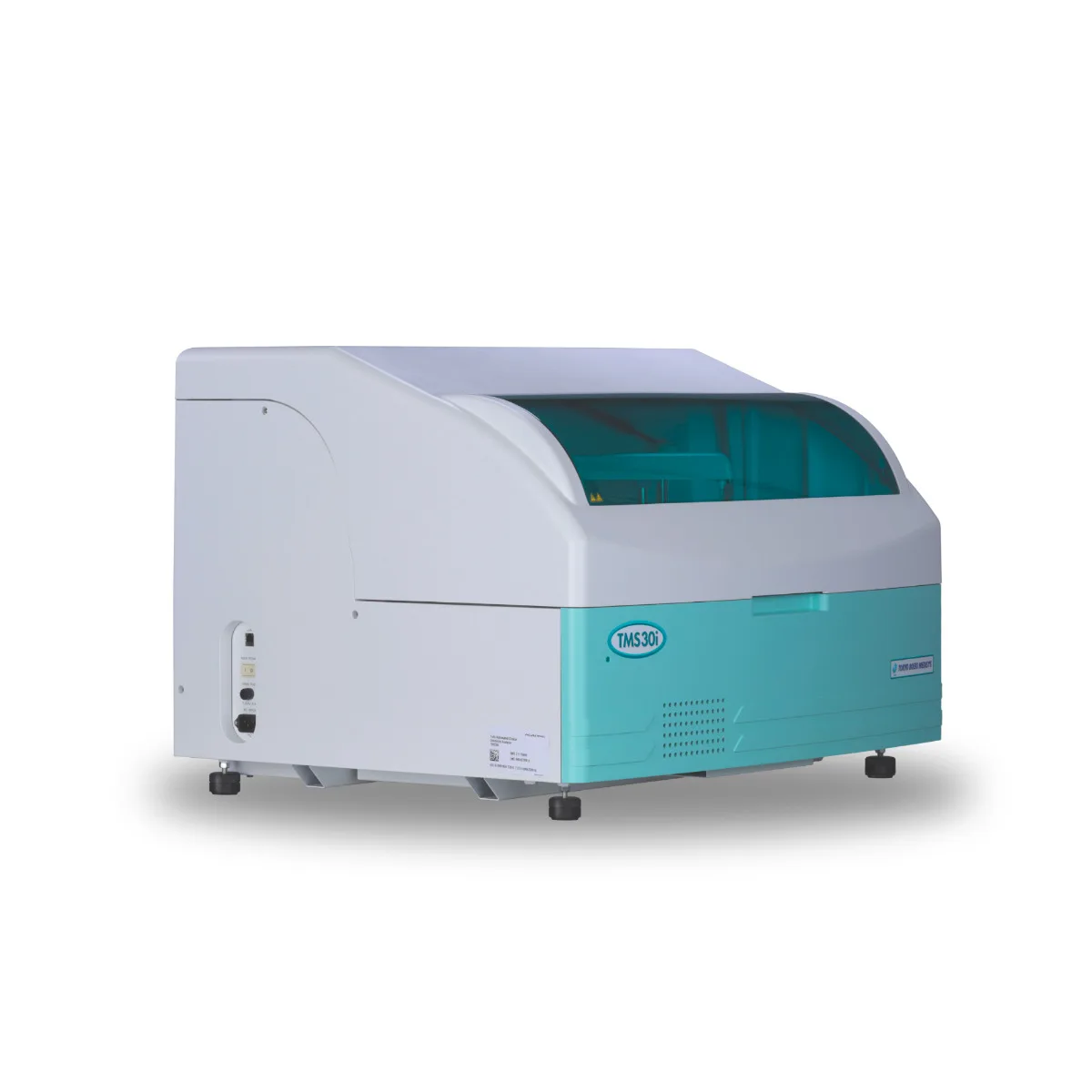
Fully automated chemistry analyzer designed for consistent daily throughput.
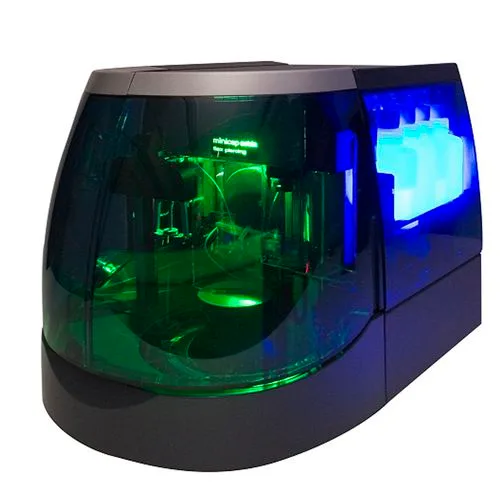
Automated capillary electrophoresis system for protein and hemoglobin analysis.
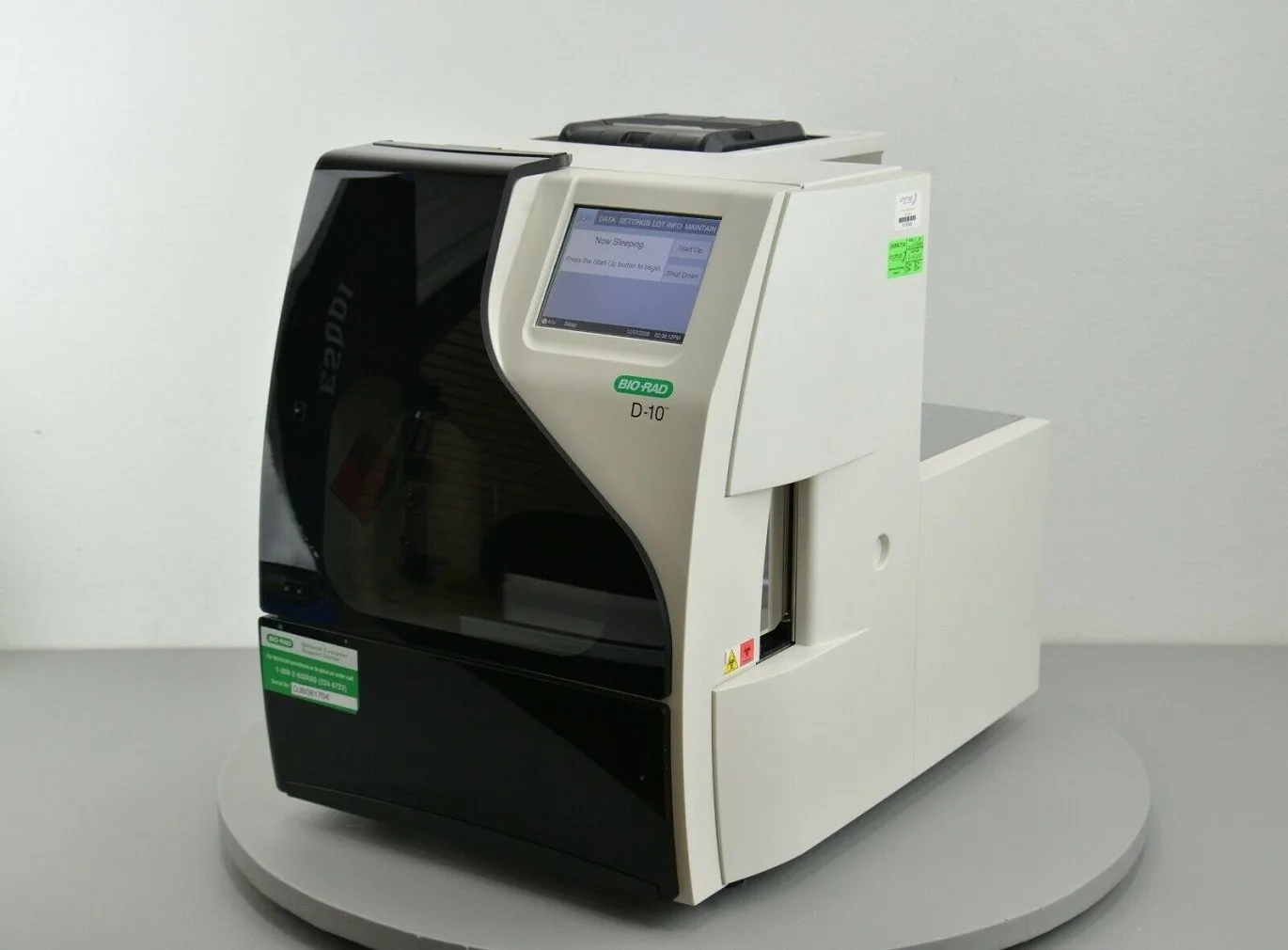
Gold-standard HbA1c testing platform for diabetes monitoring.
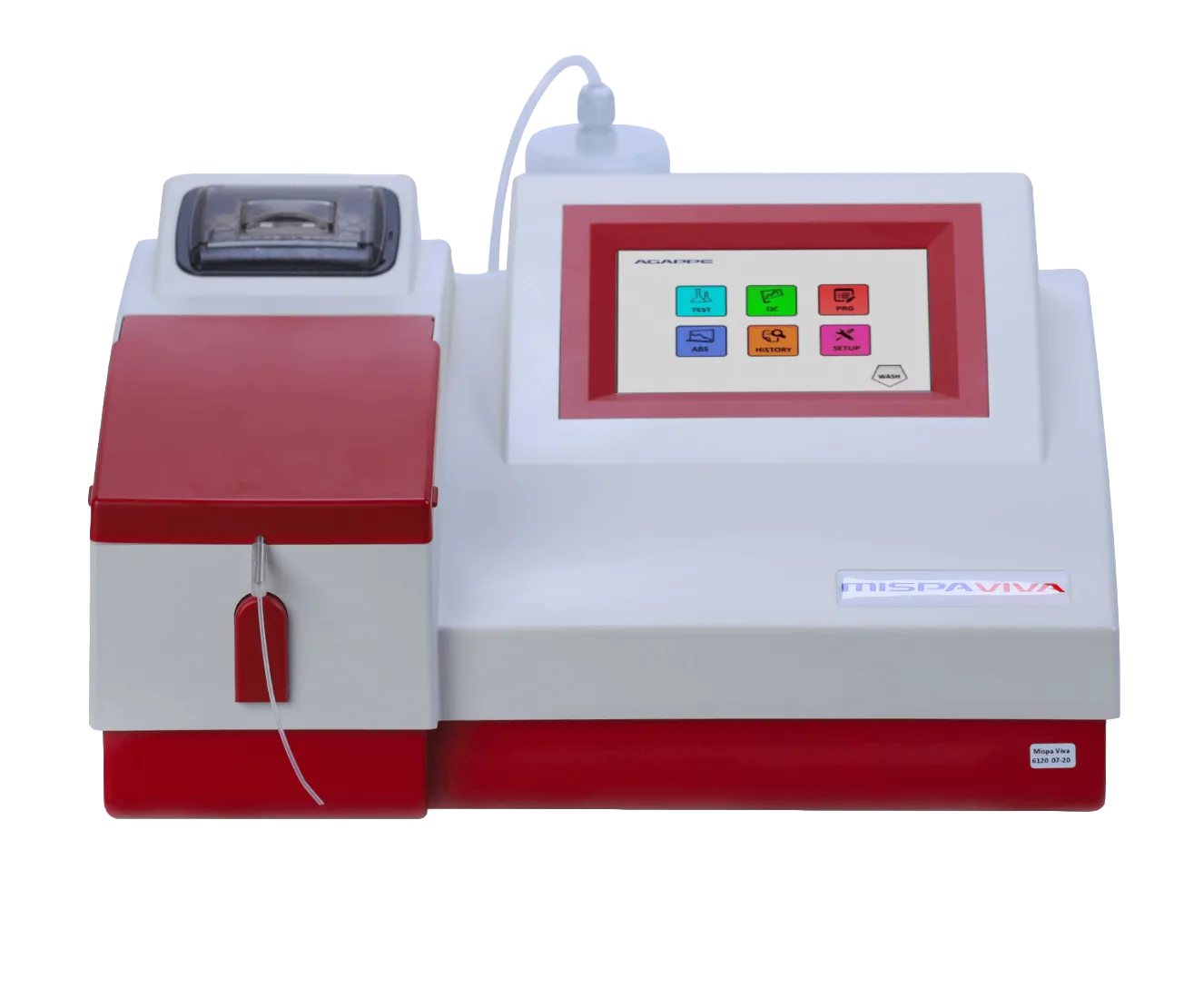
Semi-automated analyzer balancing affordability with dependable accuracy.
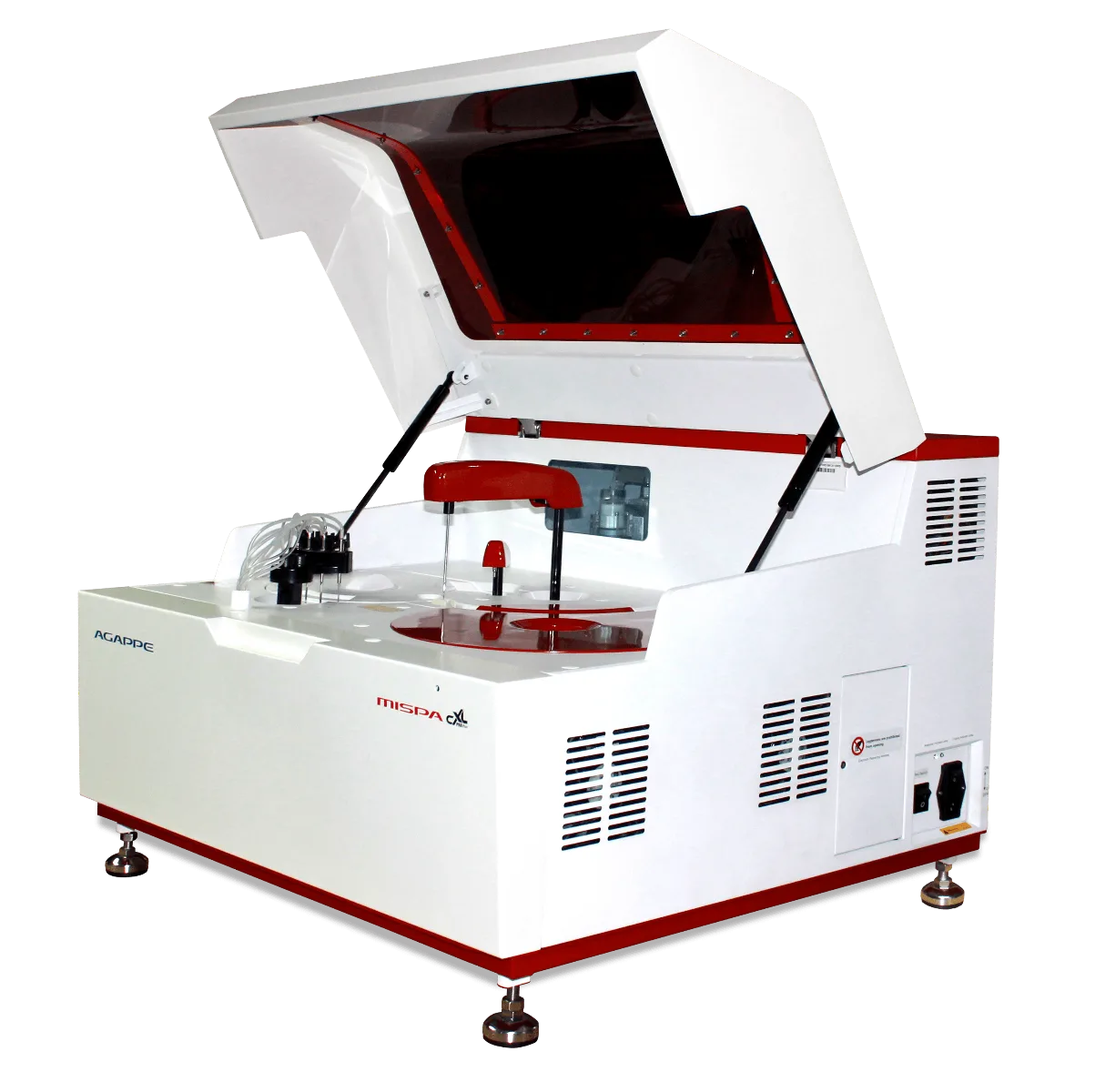
Fully automated high-throughput chemistry analyzer for busy labs.
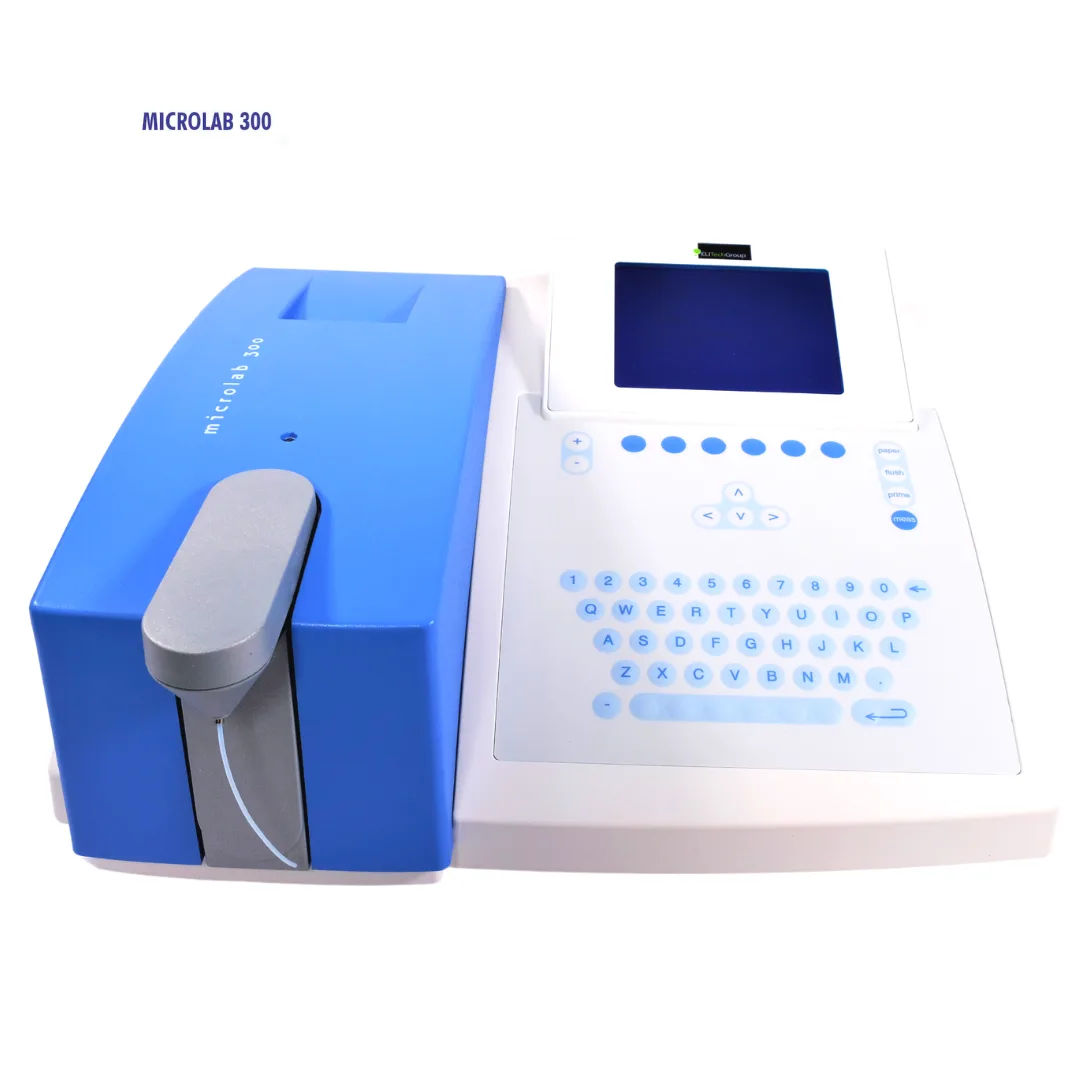
Entry-level semi-automated chemistry system for small labs.
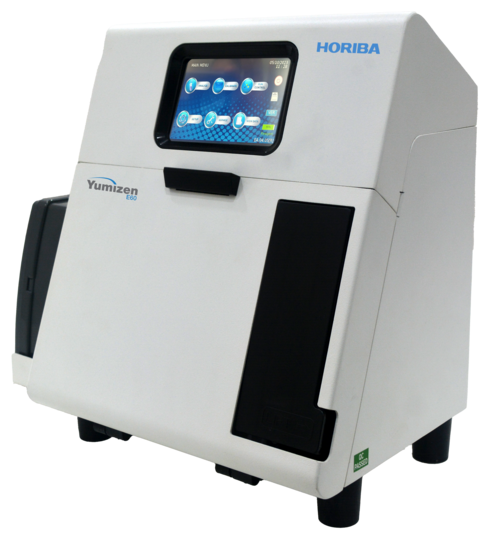
Fast. Reliable. Accurate. An advanced, easy-to-use blood analyzer that provides healthcare professionals with access to real time, lab-quality results within minutes rather than hours.
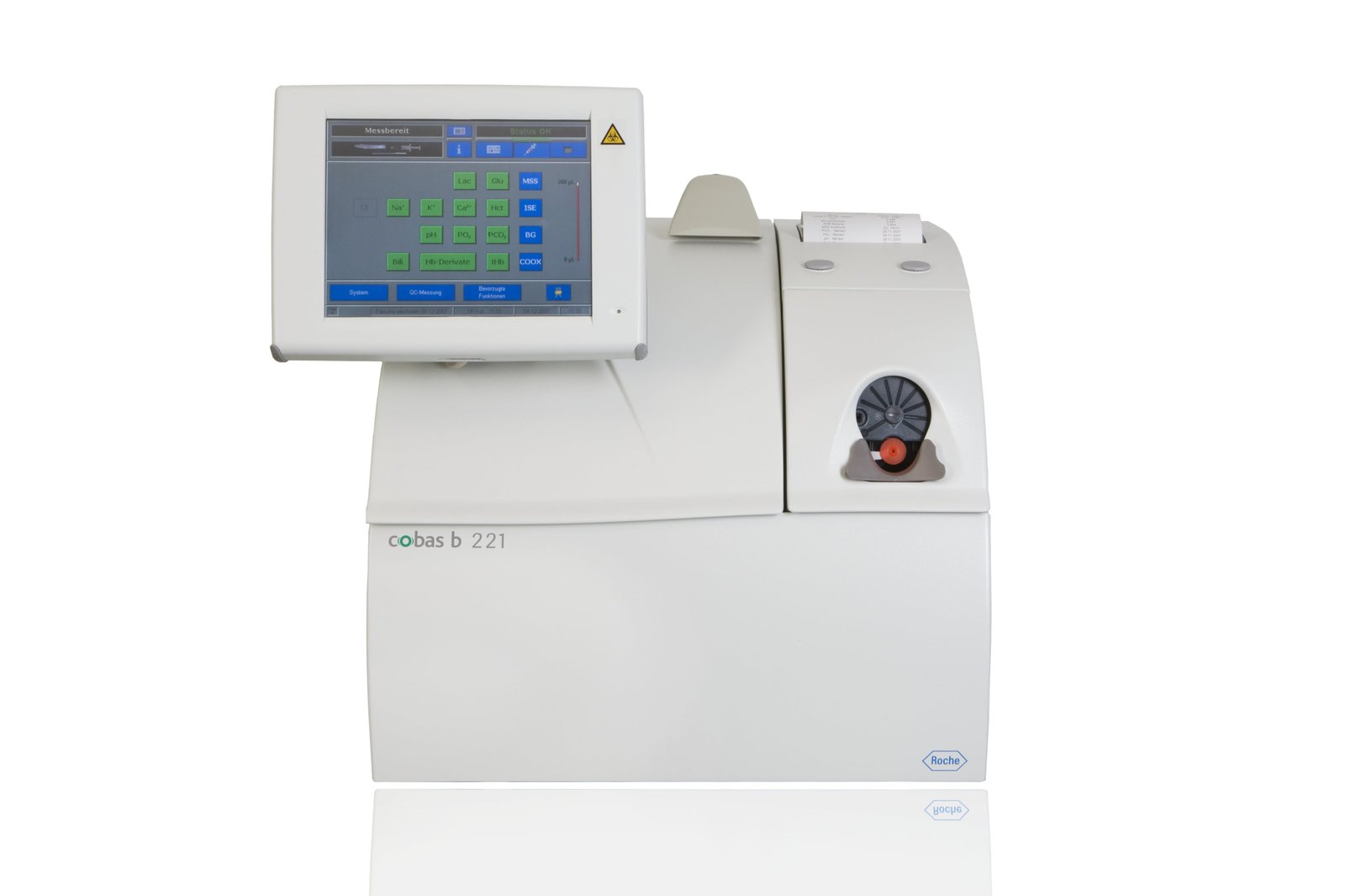
The cobas ® b 221 system is a quick and reliable blood gas and electrolyte analyzer which measures 18 key critical care parameters.
The jump from semi-automated to fully automated chemistry is the single biggest change most laboratories in this region make, and the point at which it pays off is more specific than vendors admit. It is roughly where turnaround time, not sample count, becomes the thing limiting how much work the bench will accept.
Below that point a semi-automated analyser like the Erba CHEM-7 or the Agappe Mispa Viva does the job honestly, costs little to run, and can be repaired locally. Above it you are paying a technician to pipette while clinicians wait. The Agappe TMS 30i and Mispa CXL Pro Plus sit at that crossing; the TBA-2000FR and the Beckman fully automated line sit well past it, in hospital laboratories where the panel list keeps growing.
A closed system takes only the manufacturer's reagents. A system described as open will run third-party chemistry, usually at lower cost per test. The saving is real and so is the catch: with an open system the method validation, the calibration frequency and the troubleshooting become yours. NABL assessors will ask to see that work. If nobody in the lab has time to own it, the closed system is cheaper in practice than the arithmetic suggests.
Electrolytes are worth separating out in your planning. An ISE module inside the chemistry analyser is convenient, but a standalone unit such as the Roche 9180 keeps sodium and potassium running when the main analyser is down for service — and it will be down at some point.
HbA1c deserves the same care. The method matters clinically, not just commercially: HPLC and capillary electrophoresis separate variant haemoglobins that immunoassay methods can report misleadingly, which in a population with appreciable haemoglobinopathy prevalence is not a theoretical concern. The Bio-Rad D-10, the Sebia Minicap and the Aranax HPLC X-5 all take different routes to it.
Reagent-grade water is the most common reason a chemistry analyser drifts in this region, and the cost of a proper purification system is almost never in the original quotation. Ask what grade the instrument needs before you sign, not after the first failed QC.
We install, train and service across Bihar and Jharkhand from Patna.
Tell us your daily sample count and we will tell you honestly what suits it — including when a cheaper option is the right one.